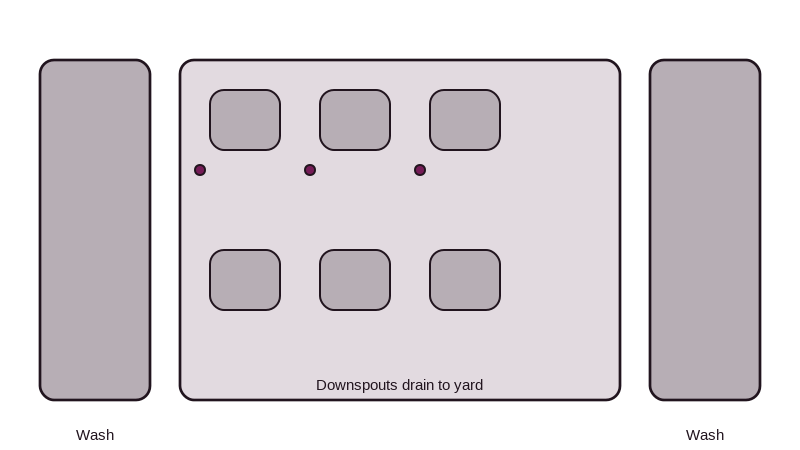
Begin with the map. Pacoima covers 7.14 square miles, with about 10,510 people per square mile in 2008, and its early land sale lay between the Pacoima Wash and the Tujunga Wash. That mix of crowding and water channels is the backdrop for most of what follows. The areas we cover page shows where it sits; those in a hurry can jump to the quote form.
Why do crowded blocks matter for plumbing in Pacoima?
Because every drain and supply line carries more use per block. With about 10,510 residents per square mile in 2008, a dense area tends to mean more laundry and more showers per block. Drains can clog sooner, water heaters work harder and small leaks run longer before anyone notices them.
None of that is a defect. It is simply load. A kitchen line that serves a big household will collect grease and food waste faster, and a toilet used by many people shows wear on its flapper and fill valve sooner. If a drain keeps slowing down, read how to clear a clogged drain, and if a toilet is the trouble, see dealing with a clogged toilet. A repeat clog on one line deserves a camera inspection, not another bottle of chemicals.
What does Pacoima's history with water and rain mean today?
Pacoima was annexed by Los Angeles on May 22, 1915, and a 1955 account described its dirt roads turning into streams in hard rain. The washes on either side of the old purchase are still the area's defining feature, so storm water and drainage are part of living here, and older lines are part of the picture.
What matters most to an owner is what happens around the house. Downspouts emptying against a foundation, low spots in a yard, and cracked or leaning cleanout caps can all feed water where it should not go. Inside the walls, saturated ground can show up as a damp slab edge or a swollen baseboard. Ground-level wetness that continues in dry weather is a plumbing question, so send photos. A leak can hide, as covered in bills that climb with no visible leak.
Why is my Pacoima water bill high?
Usually heavy use or a leak. Bigger households use more, and a running toilet or a dripping line quietly pads the total. Put this bill next to the same season last year, then close every tap and read the meter. If the dial keeps moving, water is escaping somewhere beyond the meter.
The EPA puts average household leak losses above 9,300 gallons a year, which is reason enough to chase even a small drip. The checklist is in why a water bill climbs. Your LADWP bill names the supplier for your address, and the yearly Drinking Water Quality Report lists the sources behind San Fernando Valley water. A burst line is a different case, covered by emergency burst pipe help.
Who handles sewers and permits in Pacoima?
Because Pacoima lies within the City of Los Angeles, LADWP supplies the water, LA Sanitation and Environment serves the sewers, and LADBS issues permits. The sanitation department cites more than 6,700 miles of public sewer across the city. Only the city can say which stretch of pipe belongs to whom at a given address.
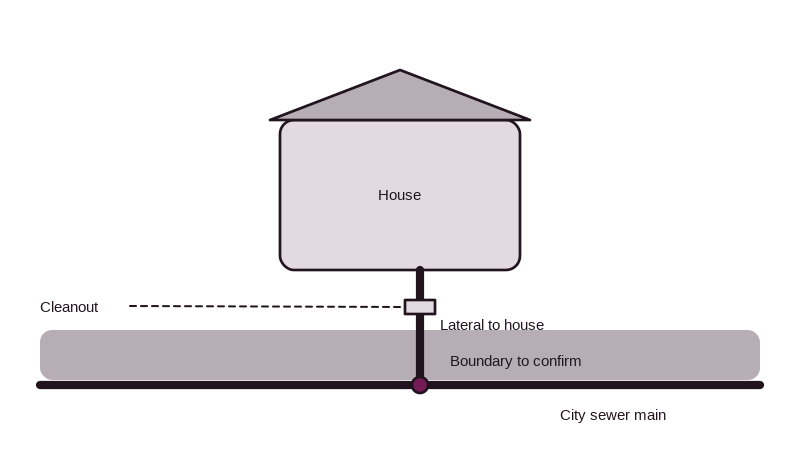
We have not confirmed where public sewer ends and private pipe begins, so assume nothing. After a repeat backup, state it in your request and have the plumber establish whether the fault sits inside the house or farther out. The Valley LADBS counter is in Van Nuys, so look up its hours first. A contractor with a California license has to do any permitted work.
What decides the bill for a Pacoima plumbing job?
Scope, reach and parts. Unblocking one branch line is a lighter task than rebuilding a failed main, a camera survey is one more step, and a permit means paperwork. No dollar amounts appear on this site, since a published figure knows nothing about your pipe. What matters is that each step is named on the quote.
Check whether the price includes a camera survey, cleanout access, haul-away and any permit. How plumber pricing works goes through what separates one quote from another. For a drain, also learn whether a return trip is covered if the blockage comes back. Businesses answer differently, so get the answer on paper.
What goes into a request for a Pacoima house or rental?
Describe the symptom, name the fixture and say how long it has gone on. Owners, tenants and property managers can all use the form. A local plumbing business puts its quote in writing, and no work begins until you accept. Submissions are read on weekdays from 9am to 5pm.
Tenants should tell the landlord first. Managers with several units should name the unit. The home page lists other services.
Common questions
Does Pacoima belong to the City of Los Angeles?
Yes, the city annexed it on May 22, 1915. That explains why LADWP supplies the water, LA Sanitation looks after city sewers and LADBS handles permits. Your bills confirm who serves your address, and a plumber can help read them when a problem crosses a property line.
Do Pacoima drains clog more often?
Not by nature, but busy households put more use on each line, so clogs can show up sooner. If one drain keeps slowing, have the plumber look into the cause rather than only clearing it. A camera can show a belly, roots or damage that no plunger will fix.
Why does the area flood?
Pacoima sits between the Pacoima Wash and the Tujunga Wash, and a 1955 account described dirt roads turning into streams after hard rain. For your house, the question is how water leaves your lot. Gutters, grading and drain covers matter more than anything we can say from a distance.
Who pays for a sewer backup repair?
We cannot tell you without knowing where the blockage is, and we have not confirmed the public and private split. The plumber should find the location first. Then ask the city whether the problem is on its side. Written findings with photos make the conversation easier.
Is it fine for a tenant to submit a request?
Yes, though your landlord should hear about it first, since building plumbing is normally their responsibility. If the landlord agrees, include the unit number and who can give access. Do not pay for work on the building's own lines before that is agreed in writing.