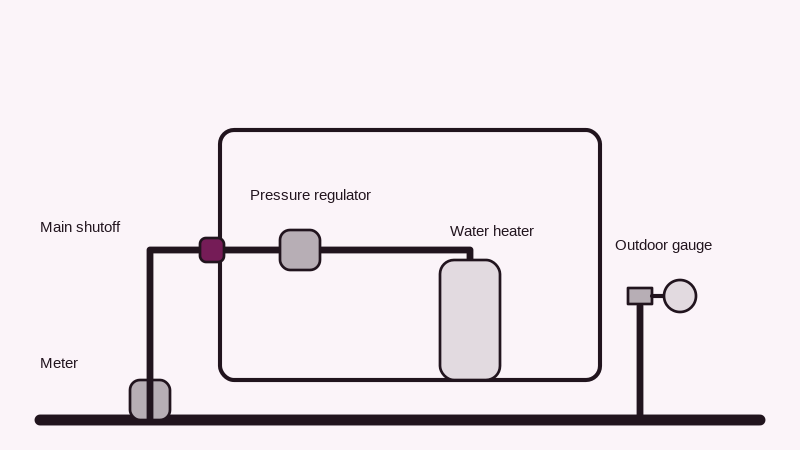
Most burst pipes in Los Angeles homes are not winter stories. They are the end of a slow process: old metal thinning from the inside, pressure that is higher than the fixtures were built for, a fitting that has been weeping for months. Prevention means finding that early, and knowing where your main valve is. Every plumbing topic we cover is reachable from the Mission Point home page, and a request begins at the quote form.
Why do pipes burst in a mild climate like the north Valley?
Pipes here burst mostly from age, corrosion and excess pressure rather than frost. Rust attacks galvanized steel from within, copper can develop pinholes, and plastic fittings crack with age. High incoming pressure then loads every weak spot until one fails. Freezing is a smaller risk, though cold foothill nights can still bite exposed lines.
Houses in Sylmar, Pacoima, Mission Hills, Arleta and Sun Valley were mostly built in the 1950s through the 1970s. Their original supply pipes are now fifty to seventy years old unless someone repiped them. A repair that was fine in 1985 may have been joined to a metal that is now corroding next to it.
Earthquakes add another cause. The 1971 San Fernando earthquake and the 1994 Northridge earthquake both left residents in this area without water and gas, according to published accounts, and a house that has been shaken can have a joint that is cracked but still tight, until it is not. The longer list of triggers is in why pipes split open.
What is the most useful thing I can do today?
Locate your main water shutoff and make sure it turns. Go to the valve, note whether it has a lever or a round handle, and rotate it a quarter of the way and back. A seized valve is the top reason a small leak turns into a flood, and the plumber can replace it on a short visit.
Then do three more things the same day:
- Put the main shutoff's location on a card beside the water heater, and tell everyone in the house.
- Photograph the meter and note the number, so you can compare it later.
- Check that the shutoff under each toilet and sink actually closes.
Gas is a separate matter. If you ever smell it, leave the house immediately and reach 911 or your gas utility once outdoors. Never hunt for the leak yourself. The city's rules for Los Angeles are described in gas shutoff valves for earthquakes.
How does water pressure cause burst pipes?
Pressure is the force pushing on every pipe and fixture, and when it runs too high it fatigues fittings, hoses and water heater connections until one gives. A pressure regulator holds it to a safe level. A gauge on an outside faucet tells you the real number in about a minute.
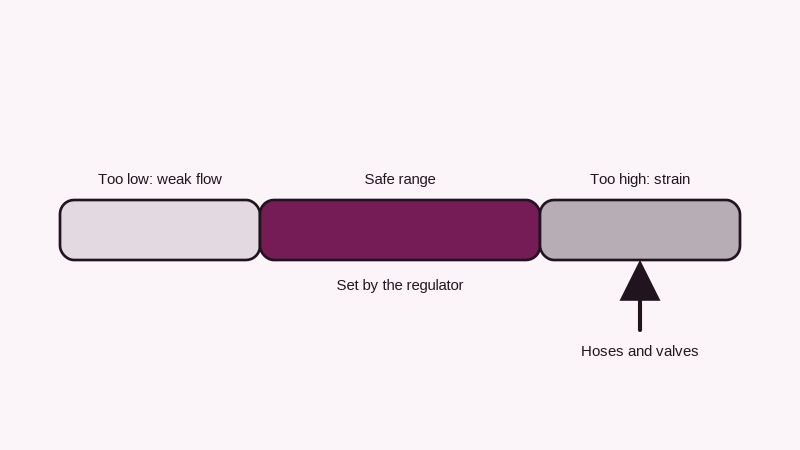
Too much pressure announces itself through pipes that bang when a valve shuts, a toilet that keeps cycling, hoses bulging at the washer, or a relief valve dripping at the heater. If any of that sounds familiar, have the pressure checked before something fails. Replacing a worn regulator is cheap next to a flood. See water hammer and how a regulator is priced.
Leaks waste more than 9,300 gallons yearly in the typical home, the EPA estimates, and a pipe on the verge of failing is often seeping quietly beforehand.
Which pipes in older Valley homes are most likely to fail?
The pipe types most likely to fail are thin copper that has pinholes, polybutylene plastic and galvanized steel. Galvanized pipe from the mid-century tracts clogs and corrodes. Polybutylene, installed in some houses from roughly 1978 to 1997, is known for fitting failures. Copper tends to leak in small pinholes before it splits.
How to spot them without opening a wall:
- Galvanized: dull gray metal, magnetic, often with threaded joints. Reduced flow and rust-colored water are common clues.
- Polybutylene: flexible gray or blue plastic, often seen near the heater or where the main line enters.
- Copper: reddish brown or tinged green, with sweated joints. Green crust or white mineral spots on fittings are the warning.
If you find one of these, plan a replacement rather than waiting for it to burst. The pages on replacing galvanized pipe, replacing polybutylene pipe and copper pipes with pinholes lay out the choices, while repiping a house handles the whole-system route.
How do I catch a leak before it becomes a burst?
Turn everything off and read the meter: if the dial creeps, water is escaping somewhere. Look for damp cabinets, stained ceilings, a musty smell, peeling paint, warm spots in a floor and a bill that climbs without a reason. A slow leak found early is a small repair. A leak found after the wall is soaked is a large one.
A few monthly habits:
- Read the meter before bed and again in the morning, with no one using water.
- Once a month, inspect beneath each sink and behind the toilet.
- Run a hand along visible pipes in the garage and the water heater closet for dampness.
- Check the ceiling below any upstairs bathroom.
When the meter points to a leak you cannot locate, hire a plumber who owns detection tools. Slab leaks hide beneath the floor, and the usual clues are warm patches or the sound of flowing water in an otherwise silent house. Read finding and fixing slab leaks and telling whether a pipe has burst.
What about cold nights and hillside lots?
Freezing is uncommon across most of the valley floor but cold clear nights in the foothills can drop low enough to threaten exposed pipes. Insulate outdoor spigots and above-ground lines near the north and east edges of the area, drain irrigation lines and shut them off when a hard freeze is in the forecast, and let a faucet drip on the coldest nights.
Hillside homes, such as those on the terraces of upper Sylmar, can have long supply runs and exposed sections under the house. Wrap exposed lines in foam insulation sleeves and keep crawlspace vents and doors in good order. If you are away, turn off the main valve. A burst inside a vacant house runs for days.
For repiping, main line work and water heater jobs, the permits come from the City of Los Angeles Department of Building and Safety, and the work goes to a contractor who holds a California license. Before accepting a quote, ask who files the permit.
Common questions
What keeps pipes from bursting at home?
Hold pressure at a safe level, replace corroded pipe before it fails, fix drips quickly and keep the main shutoff working. Insulate exposed lines before cold nights. Most bursts give warning first, such as a stain, a smell, a drip or a meter dial that will not rest.
Should I turn the water off when I go away?
Yes, whenever you will be away for longer than a couple of days. A closed main keeps a failed hose or fitting from running unnoticed. Some owners also drain the water heater loops or shut the heater off. Check that the valve closes tight before you leave, and turn it back on slowly.
Does a pressure regulator prevent burst pipes?
It reduces one cause by keeping house pressure within the range fixtures were built for. It will not fix a corroded pipe or a bad fitting. Where pressure runs high, a regulator protects hoses, valves and the water heater. Ask a plumber to measure it first.
What should I do when a pipe bursts despite precautions?
Shut the main, open the lowest faucet to drain the line, switch off power near wet outlets, move belongings clear and photograph the damage. After that, submit the quote form so a plumber can be lined up for a visit. Keep electrical appliances away from standing water at all times.
Is a burst pipe something I can fix myself?
A small, reachable leak can take a temporary clamp or coupling. When the burst is inside a wall, below a slab or on the main, it is plumber work, and permitted jobs go to a California contractor. More is on the page about an emergency burst pipe plumber.